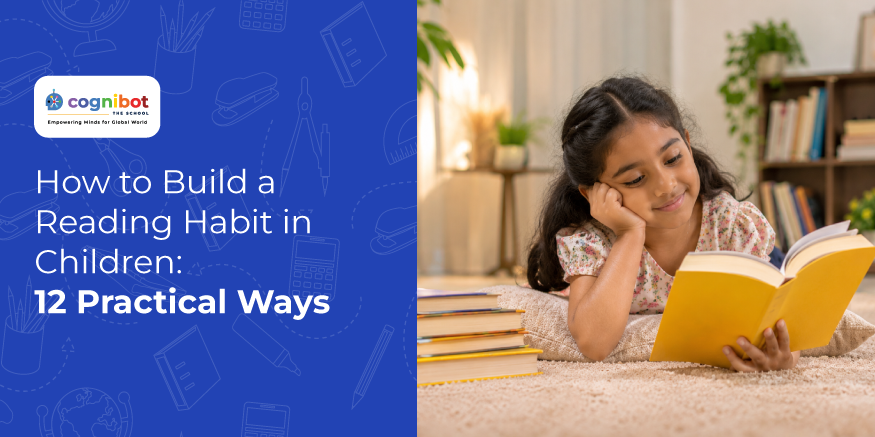
How to Build a Reading Habit in Children: 12 Practical Ways
Getting children to read can sometimes feel like a task. You buy them books, ask them to read for a while, and remind them again the next day. But they may still prefer playing games, watching videos or doing just about anything else.
If this sounds familiar, you are not alone. Many parents want their children to read more, but getting them interested in books takes time.
The good news is that reading does not have to feel like homework. A child who enjoys stories, gets to choose their own books and sees their parents reading is more likely to pick up a book willingly.
The best way to build a habit is to start small and keep things enjoyable. Here are 12 practical ways to help your child develop a love for reading.
1. Let Your Child Choose Their Books
As adults, we sometimes choose books based on what we think children should read. But a book that looks educational to a parent may not interest a child at all.
Some children love animals and adventure stories. Others enjoy comics, funny stories, mysteries or books about space. Let your child explore different types of books and choose what catches their attention.
The goal is to help them enjoy reading first. Once they become comfortable with books, you can slowly introduce other genres.
2. Start With Just 10 Minutes a Day
You do not need to make your child read for an hour every day. In fact, asking them to sit with a book for too long in the beginning may make reading feel like a punishment.
Start with 10 minutes a day. Read together after dinner or make it part of your child’s bedtime routine.
Once reading becomes familiar, your child may naturally want to spend more time with books. Consistency matters more than the number of pages they finish.
One short reading session every day is a good place to start.
3. Read With Your Child
Children often learn by watching the people around them. If they see you reading a book, a newspaper or even a magazine, they begin to understand that reading is something people do in everyday life.
Set aside a little time to read together. Younger children may enjoy listening to you read a story, while older children may prefer reading their own books beside you.
You can take turns reading a page or ask your child to read a favourite passage aloud. These small moments can make reading feel like time spent together rather than another task on their list.
4. Read Stories Aloud, Even After Your Child Learns to Read
Once children learn to read on their own, parents sometimes stop reading to them. But listening to stories can still be enjoyable and useful for older children.
Read with different voices, pause before an exciting moment or ask your child what they think might happen next. You do not have to turn every story into a lesson.
Reading aloud also gives children a chance to hear new words and understand how sentences work. More importantly, it helps them connect books with enjoyable experiences.
5. Create a Small Reading Corner at Home
You do not need a separate room or a large bookshelf to encourage reading. A comfortable chair, a few cushions and a small collection of books are enough.
Keep the books somewhere your child can reach easily. If they have to ask for permission or search through cupboards every time they want a book, they may be less likely to pick one up.
You could also let your child arrange the books or decorate the corner. When the space feels like their own, they may be more interested in using it.
6. Visit a Library or Bookstore Together
A visit to a library or bookstore can make choosing books more exciting. Children get to look at different covers, flip through pages and discover stories they may not have come across at home.
Let them take their time. You can suggest a few books, but avoid insisting that they choose something just because it is educational.
If a library is nearby, make visiting it a regular family activity. It is also a useful way to explore new books without having to buy them every time.
7. Make Reading Interactive
Some children lose interest when reading means sitting quietly and finishing a chapter. A little interaction can make the experience more enjoyable.
While reading a story, ask simple questions such as:
- What do you think will happen next?
- Which character do you like the most?
- What would you do if you were in that situation?
- Why do you think the character made that choice?
Let your child share their thoughts without worrying about whether every answer is correct. The idea is to help them engage with the story, not test their understanding.
These are simple reading activities for kids that can make even a short story more interesting.
8. Do Not Force Your Child to Finish Every Book
Sometimes a book just does not click. Your child may find the story boring, struggle with the language or simply lose interest.
That is okay. Let them try another book.
When children are forced to finish every book they start, they may begin to associate reading with pressure. Allowing them to switch books teaches them that reading can be enjoyable and that it is okay to have preferences.
You can help them find something more suitable without making them feel that they have failed.
9. Do Not Rule Out Comics and Digital Books
Not every child will immediately enjoy long storybooks. Comics, illustrated books, magazines and age-appropriate digital books can also be a good starting point.
Pictures can help younger readers understand the story, while comics may encourage reluctant readers to follow a sequence of events and dialogue.
You can also explore audiobooks together. Listening to a story is not the same as practising reading independently, but it can help children discover new stories and develop an interest in books.
The aim is to help your child enjoy stories and gradually explore different ways of reading.
10. Talk About What Your Child Reads
Reading does not have to end when the book closes. A simple conversation can help children connect with the story and express their thoughts.
Ask what they liked about the book, which character they found interesting or whether the ending surprised them.
You can also share your own opinions. If you have read the same book, talk about the parts you enjoyed or the choices a character made.
Keep the conversation casual. Children should feel comfortable sharing their views rather than worrying about giving the right answer.
11. Encourage Reading Without Turning It Into a Competition
Reading charts and small goals can help some children stay interested. For example, you could keep a list of the books your child has explored or let them mark each day they spend time reading.
However, avoid making reading all about the number of books completed or pages covered. Children read at different speeds, and some books take longer to understand.
Celebrate the effort instead. If your child reads for 10 minutes without being reminded, that is worth appreciating.
The purpose is to build a lasting habit, not to finish the most books in a month.
12. Connect Books to Everyday Life
Children are often more interested in reading when they can connect it to things they already enjoy.
If your child likes cooking, read a simple recipe together. If they are curious about animals, explore a book about wildlife. If they enjoy cricket, find a book about the sport or a player they admire.
You can also encourage them to read signs, instructions, menus or short articles suited to their age.
These everyday experiences show children that reading is useful beyond school. It helps them find information, understand the world around them and explore their interests.
Why Are Reading Habits Important for Children?
Reading is not just about learning new words or doing well in language classes. It can help children in several parts of their lives.
The importance of reading for children lies in how it supports their learning and everyday communication.
Regular reading can help children:
- Build vocabulary: They come across new words and learn how they are used in different situations.
- Improve comprehension: They practise understanding information, following a story and connecting ideas.
- Use their imagination: Stories introduce them to different people, places and situations.
- Develop concentration: Spending time with a book gives them practice in focusing on one activity.
- Understand different perspectives: Stories can help children think about how other people feel and why they act in certain ways.
- Become more independent learners: As they grow, reading helps them find information and explore topics on their own.
Every child develops at a different pace, so these benefits may take time to show. The key is to make reading a regular part of their life without putting too much pressure on them.
How Can Parents Develop Reading Habits in Children?
Parents do not need to be reading experts to help their children enjoy books. What matters most is making reading accessible, giving children choices and showing interest in what they read.
Here are a few tips to encourage children to read daily:
- Keep books where children can easily reach them.
- Set a regular reading time that works for your family’s routine.
- Let your child explore different genres and formats.
- Talk about stories without making every conversation a test.
- Be patient if your child takes time to find books they enjoy.
- Set an example by reading yourself.
Most importantly, avoid comparing your child’s reading habits with those of other children. Some children get hooked on books early, while others need more time and encouragement.
A few enjoyable minutes with a book each day can be a better starting point than long reading sessions that leave everyone frustrated.
How Cognibot – The School Encourages Children to Learn and Explore
At Cognibot – The School, learning goes beyond completing lessons and preparing for exams. The school’s approach encourages children to ask questions, explore ideas and develop skills that help them learn independently.
Reading fits naturally into this process. It gives children opportunities to build comprehension, think about different situations, develop their vocabulary and explore subjects they are curious about.
Parents can support this at home by giving children access to books, encouraging questions and allowing them to explore topics that interest them. When school and home both make room for curiosity, learning can become a more enjoyable part of everyday life.
You can explore Cognibot’s academic approach and learning philosophy to learn more about how the school approaches children’s development.
Final Thoughts
Building a reading habit takes time. Your child may love one book and ignore the next five. They may read every night for a week and then need a little reminder to start again. That is part of the process.
Instead of focusing on how much your child reads, focus on helping them enjoy it. Let them choose their books, read together when you can and give them the freedom to explore different stories.
With patience and regular encouragement, reading can slowly become something your child chooses to do, not something they do only because a parent or teacher asked them to.
FAQ
1. What are the main differences between day and boarding schools?
In a day school, children attend classes during school hours and return home afterwards. In a boarding school, children live on campus during the school term. The main difference is the living arrangement, which also affects daily routines, family time and independence.
2. What factors should parents consider when choosing between day and boarding schools?
Parents should consider their child’s age, comfort with staying away from home, learning needs, personality, interests and daily routine. They should also look at the school’s teaching approach, facilities, safety measures, pastoral care and overall environment before making a decision.
3. How does boarding school benefit a child’s independence?
Boarding school can give children more opportunities to manage their daily routines, organise their belongings, follow schedules and take responsibility for everyday tasks. However, these benefits depend on the child’s readiness and the level of guidance and support provided by the school.
4. What are the advantages of a day school environment?
A day school allows children to spend more time with their families and maintain familiar home routines. Parents can stay closely involved in their child’s daily experiences, learning and activities. It may also suit children who prefer returning home after school.
5. How can parents determine which school setting suits their child?
Parents should consider how comfortable their child is with new environments, how much support they need, and whether they are ready to spend time away from home. Visiting schools, speaking to teachers and understanding the daily routine can help families make a more informed decision. The right choice is the one that fits the child’s needs, not simply what works for other families.